Stata’s new Hot Tap & Go meals supplement original offerings
Campus Dining, UA, and DormCon ramp up efforts to make food more accessible across campus





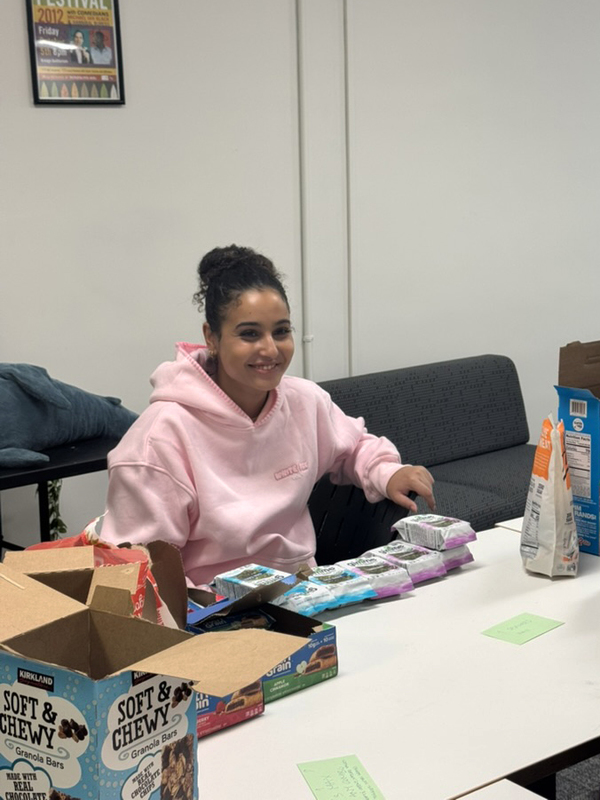
Photo courtesy of Mariam Abdelbarr
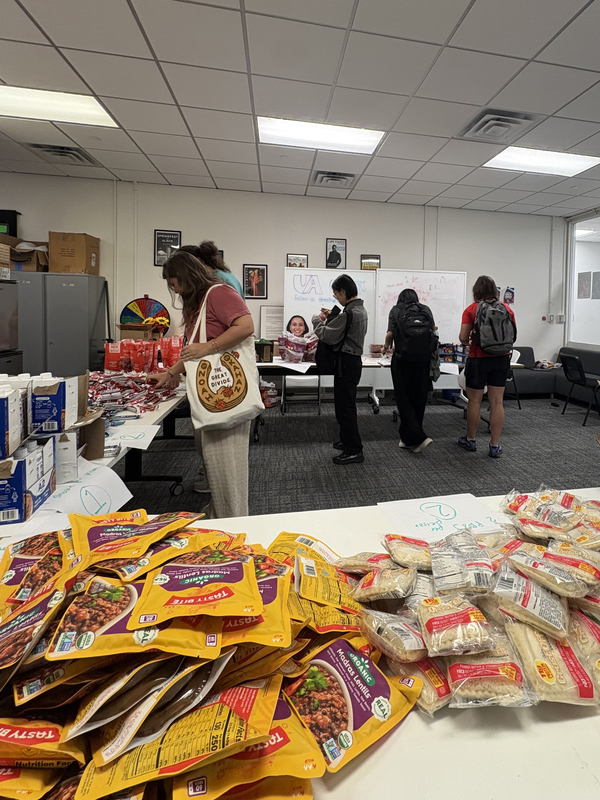
Photo courtesy of Mariam Abdelbarr
Levy Le–The Tech
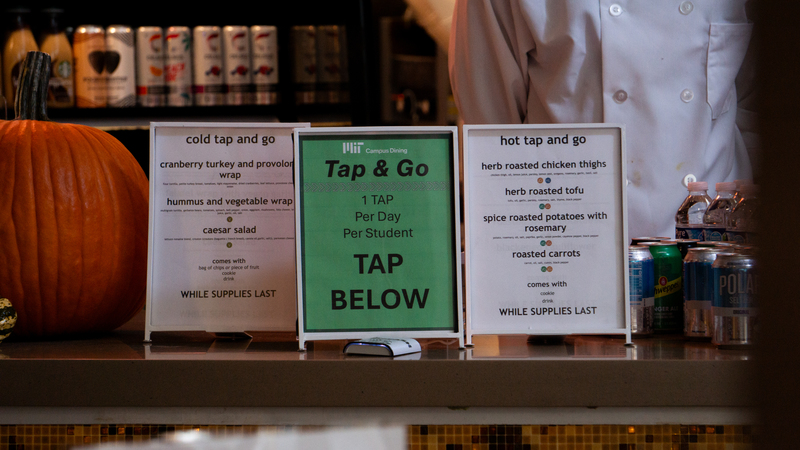
The announcement of a Hot Tap & Go station in Stata Center on Oct. 15 follows a series of increased food initiatives since the arrival of Andrew Mankus, Senior Director of Campus Dining.
Before arriving at MIT, Mankus was Director of Residential Dining Operations at the University of Massachusetts Amherst, which is one of the top ranked schools for campus food, according to several national rankings.
Current food initiatives
From student feedback and surveys, Mankus said he identified two main grievances from students: the lack of dining options in central campus during academic hours and an excess of unused food swipes due to the inconvenience of going to dining halls, which are concentrated on the west side of campus.
The main hindrance in implementing increased food options in central campus, said Mankus, is kitchen capacity.
“The only capacity that we have over there for kitchen equipment is in [the] Forbes Family Café,” Mankus explained. “And that regular location is busy because we have a global bowl station, which is extremely popular [due to its] $8.50 bowls.”
Working with the MIT Dormitory Council (DormCon) and the Undergraduate Association (UA), Mankus has since conducted several food initiatives centered towards additional food options near central campus.
The first pilot program, now discontinued, was Baker Dining Hall’s Grab and Go lunches last school year. Students could use their meal swipes in the morning to grab lunch for later in the day. The solution offered a temporary reprieve from the inability to use a dining swipe for lunch while in central campus.
Currently, Campus Dining is running another program: a pop-up in Lobby 4 from 11 a.m. to 3 p.m. on weekdays. Local vendors, on an alternating schedule, sell a bowl and a drink for $10 that students can purchase with dining dollars. As of Oct. 15, a Tap & Go was also implemented for hot food at the Stata Center. Students can use their meal swipes to receive a bowl with a mixture of vegetables, carbs, and a choice between plant-friendly or regular protein. The menu rotates weekly.
UA president Mariam Abdelbarr ’27 said that the dining programs continuing beyond “pilot mode” are more sustainable and have high participation. Stata’s Tap & Go now serves an average of 175 meals per day, including both cold and hot food options, with more than 400 different students using the program a week.
Future projections
Campus Dining looks into usage data and patterns to determine current dining hall hours. Mankus explained that the schedule works around the set academic period and athletic schedules, noting when there are higher usages of the dining halls. Late night dining is only open Sunday through Thursday, as data shows that Fridays and Saturdays are the slowest days, and only available at Simmons and Maseeh Halls.
Currently, dining halls are closed from 3 p.m. to 5 p.m., a period of time that may become another expanded food option. The decision-makers are taking into account how frequented the locations would be. Abdelbarr added that the UA is also having similar discussions with Campus Dining about IAP hours.
Campus Dining also wants to make sure residential and hot retail foods are aligned with current trends so students enjoy the food they are offered.
“Food fatigue is a real thing on college campuses, no matter where you are,” Mankus said. “There are only so many different recipes that you can make over 16 weeks, right? So that’s almost the most difficult thing: keeping menus fresh so students don’t get bored of them.”
Mankus added that Campus Dining has collaborated with multiple MIT offices to create the Campus Dining Roadmap, a long-term strategic plan to better understand how to give students better access to food.
Campus Dining also meets with DormCon dining chairs biweekly, and these dining chairs meet weekly with chefs in their respective dorm dining halls. Modifications on menus are then determined based on student feedback and needs.
Mankus encourages students to submit feedback to foodstuff@mit.edu. He added that DormCon also sends annual survey forms that run directly to Campus Dining. Mankus believes this collaboration between students and Campus Dining is critical to their success.
“A good dining program is one where you listen to students and any feedback goes both ways,” Mankus added.
Additional outreach
Last year, the UA reinstated their Food Security Committee, an effort to ensure that every student is able to access the food they need.
“Food insecurity is the lack or inadequate access to food on campus or anywhere,” Food Security Committee Chair Adam Gardner ’27 said. “So that means not knowing where your next meal is going to come from, not having enough food, not having enough money or enough time to cook.”
To respond to these problems on a short-term basis, the UA sets aside a budget for grocery and food giveaways. Gardner explained that at these giveaways, the UA shows students ways to get food through MIT if they feel like they don’t have adequate access.
A form collecting data about attendees of the October grocery giveaway gathered 82 student responses. 37 students indicated that they were on an MIT meal plan and 45 students indicated that they were not on an MIT meal plan, implying that students both on and off meal plans were attending the event and in desire of the free resources offered at the grocery giveaway.
Both Gardner and Abdelbarr mentioned that attendance of students at the giveaways far outnumbered the amount of food they could offer.
“I think it shows that there’s a need for it,” Abdelbarr said. “However, there was a bit of a disconnect between administration and the grocery giveaways we were doing from our own funding. So this year, something I’ve been focusing on is finding a way to make things more formalized.
Creating a more institutionalized process will ensure that the initiative remains consistent and available for more students who have a need for it, she said, but the administrators at the Support, Wellbeing, and Belonging office want to see more statistics on attendance.
The UA is also working on creating a more digestible way to break down all the different features in Campus Dining, such as TechCASH, so students have a better grasp of how they can utilize the elements offered for dining. They have also nominated an undergraduate student to meet with DormCon’s Dining Chairs to give and receive feedback to bolster areas of dining where it is needed. Students can also send feedback to the UA to ua-officers@mit.edu